The Psychological Impact of Clutter
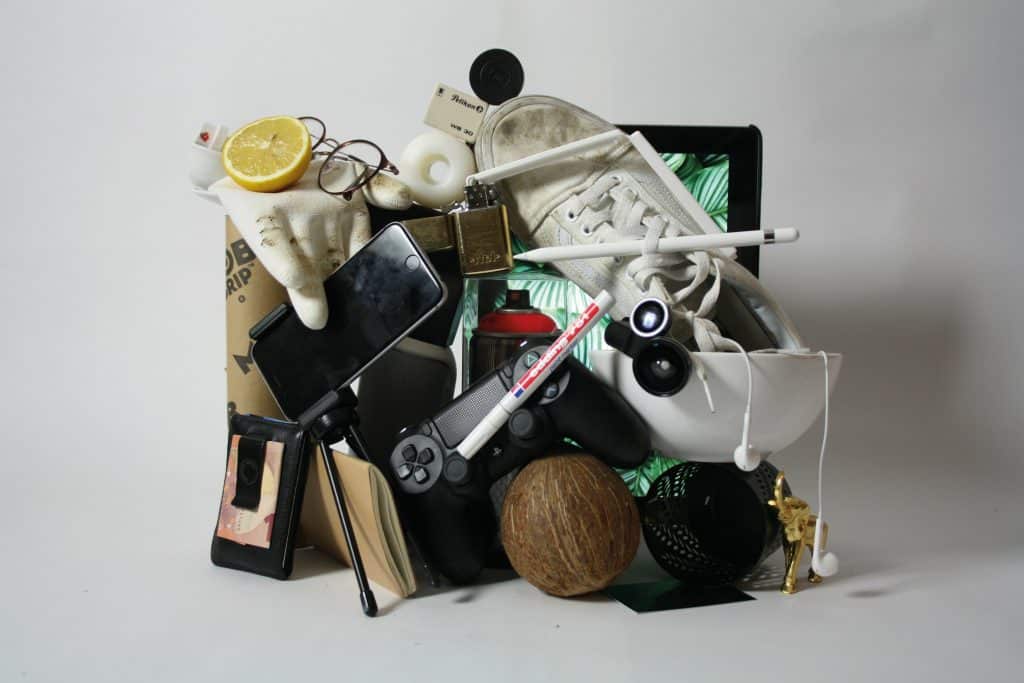
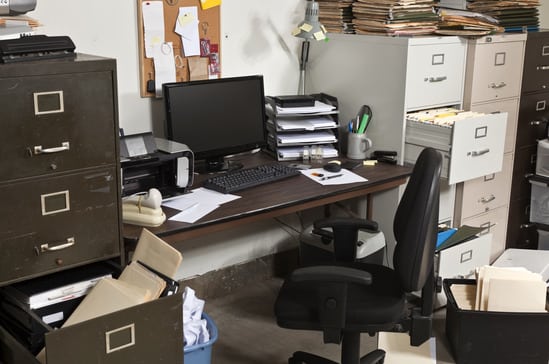
Understanding the psychological effects of clutter can empower individuals to take action towards a more organized life. Clutter often leads to feelings of stress, anxiety, and overwhelm, which can hinder productivity and overall well-being. Recognizing these emotional ties to our belongings is the first step in addressing them.
Research shows that a cluttered environment can negatively affect mental health, leading to increased levels of frustration and decreased focus. By acknowledging the psychological impact of clutter, individuals can better motivate themselves to declutter and create a space that promotes peace and clarity.
Strategies for Effective Decluttering
Effective decluttering requires a strategic approach to ensure lasting results. Start by setting specific goals and timelines for your decluttering efforts. Breaking the process into manageable tasks can reduce overwhelm and help maintain momentum.
Consider utilizing methods such as the Marie Kondo approach, which emphasizes keeping only items that "spark joy," or the four-box method, where you categorize items into keep, donate, trash, or relocate. These strategies provide structured ways to evaluate your belongings and make informed decisions about what to keep.
Maintaining an Organized Space
Once you've decluttered, maintaining an organized space is crucial for long-term success. Establishing routines and habits that promote organization can prevent clutter from accumulating again. This includes regular clean-ups and designated storage solutions for frequently used items.
Additionally, consider implementing a "one in, one out" rule, where for every new item brought into your home, an old item must be removed. This practice helps keep your space manageable and encourages mindful consumption, ensuring that your living environment remains clutter-free.
Decluttering for Life Transitions
Life transitions, such as moving, starting a new job, or becoming a parent, often necessitate a reevaluation of your belongings. During these times, decluttering can provide clarity and help individuals adjust to new circumstances. It’s an opportunity to reflect on what items are truly essential and meaningful.
For instance, when moving to a new home, take the time to assess what you need and what can be let go. This not only makes the moving process easier but also allows you to create a fresh start in your new space, free from unnecessary clutter.