Deep Work Requires Space: Why Creativity Needs Room to Breathe
It’s really easy to get into the habit of just doing the tasks.
Checking things off the list.
Answering emails.
Running errands.
Doing the grind.
And while all of that can absolutely feel productive, there’s this thing that happens when we never create enough actual space for deeper work, creativity, or problem solving. We end up staying in reaction mode all the time instead of creating enough room to think.
That’s really what I want to talk about today because it’s something I’ve been practicing more and more myself as I realize how important it is.
Creating space, both physically and mentally, really does create more time overall in a lot of ways.
And not just for the actual creative project itself. Although that matters too. It’s more that deep work changes how your brain functions across the board. It changes how you solve problems. It changes how you make decisions. It changes how much friction you feel during the day.
That’s why it matters.
Creativity Helps Your Brain Solve Problems
One of the biggest reasons to create time for deeper work or creativity is because it helps your brain stay flexible.
The more you use your imagination, the more your unconscious mind starts solving problems for you in the background.
This is actually why I look at my calendar the night before. I glance through the next day and kind of let my brain sleep on it a little bit. And very often by morning, solutions have already surfaced for some of the little issues or scheduling conflicts that felt annoying the day before.
Your brain wants to make connections.
But it needs some room to do that.
Even something as simple as coloring, journaling, writing, rearranging ideas, or doing something mildly creative can loosen things up mentally enough for other solutions to emerge.
That’s the fascinating part.
Sometimes creativity solves problems that don’t even appear related to the creative activity itself.
Constant Grinding Doesn’t Always Create Better Results
I think a lot of people get trapped in this idea that productivity means constant motion.
Just keep going.
Just keep checking things off.
Just keep pushing through.
But when you only operate from the checklist, you don’t always create enough experimentation space to arrive at a better solution.
You may get the task done.
But you may not get the best result.
There’s something important about working on a problem deeply for a little while and then stepping away long enough for things to percolate a bit.
That pause matters.
Because once you come back, you often see:
- better connections
- unnecessary steps
- easier solutions
- bigger patterns
- ways to simplify the process entirely
That’s where deep work becomes really valuable. It helps you look at both the details and the bigger picture at the same time.
Deep Work Helps You Develop Discernment
This is another big one.
Not everything in your life is equally important.
And honestly, most people already know that deep down, but clutter and overwhelm make it hard to distinguish what actually matters most.
We tell ourselves we love everything.
We want to keep all the options.
We don’t want to let anything go.
But that’s usually not actually true.
There are probably a few things you genuinely love.
A few projects that genuinely matter.
A few activities that really align with the life you want.
And then there’s a whole bunch of extra noise layered around them.
When you create space for deeper thinking, you begin recognizing those distinctions more clearly.
You start seeing:
- what’s essential
- what’s helpful
- what’s optional
- what’s simply in the way
That discernment makes organizing easier too, interestingly enough.
Because once you know what actually supports the life you want, it becomes much easier to let go of the things that don’t.
Creativity Can Recharge You Faster Than Rest Sometimes
This is one of the things people don’t always expect.
Sometimes ten minutes spent doing something creative is actually more energizing than taking a nap.
Because creativity taps into a different part of your brain.
If your entire day is tasks, obligations, logistics, responsibilities, and reacting to everyone else’s needs, your brain gets tired in a very particular way.
Creativity interrupts that pattern.
It gives your brain space to wander a little bit, reconnect, make associations, and replenish itself.
That’s why I really think every day needs at least a tiny piece of creative space in it somewhere.
Not because you need to become an artist.
Not because you need to produce something amazing.
But because your brain functions better when it has room to breathe.
Space Also Means Fewer Distractions
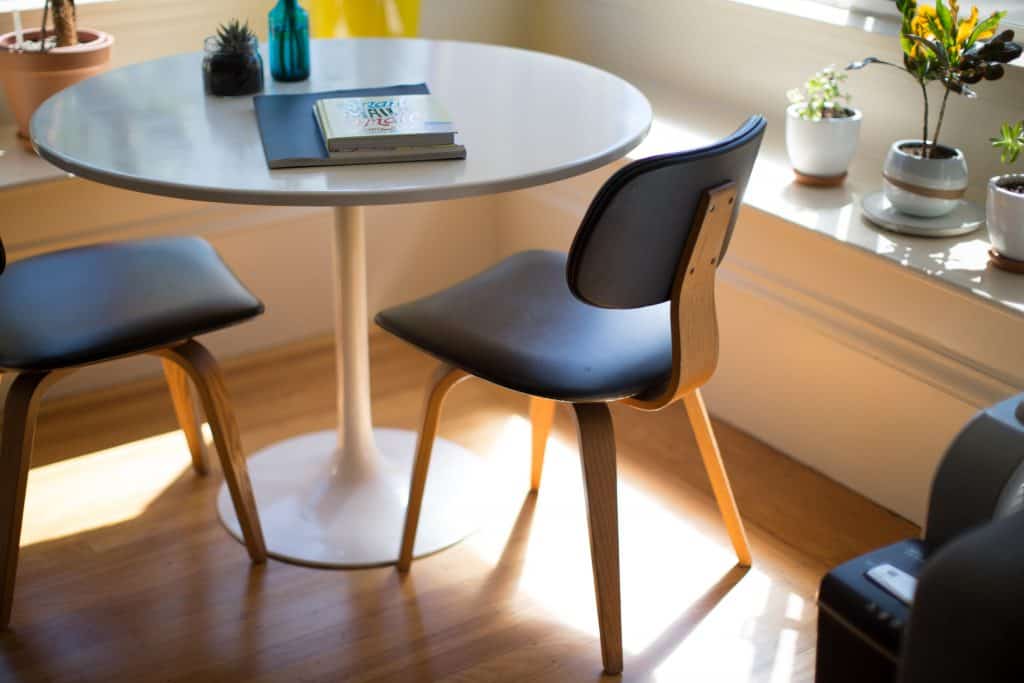
And yes, physical space matters too.
I’m not saying everything has to be perfectly organized all the time. That’s not realistic.
But I do think it’s important to have enough space available to immediately do the work that matters most.
For example, I always keep enough clear space on my desk that I can sit down and work on the next thing without having to move piles around first.
That one small thing removes a surprising amount of friction.
The more distractions you remove, physically and mentally, the easier it becomes to focus deeply and stay focused longer.
And focus is something you can actually practice.
The more often you intentionally create space for uninterrupted work, the better your brain gets at returning to focus even when interruptions happen.
Inspiration and Overwhelm Are Closer Than You Think
This is where a lot of people get stuck.
They think they need all the things visible around them in order to stay inspired.
But there’s a fine line between inspiration and overwhelm.
Sometimes all the materials, unfinished ideas, stacks, supplies, reminders, and visual clutter become so loud that your imagination can’t actually function clearly anymore.
So I challenge you to experiment with this a little bit.
Try removing some of the noise temporarily.
Push some things out of the immediate visual field.
Create a little more breathing room.
And then notice what happens.
Notice what ideas emerge when your brain isn’t constantly processing visual input from twenty unfinished things at once.
You may be surprised how much clarity shows up once there’s finally enough space for it.